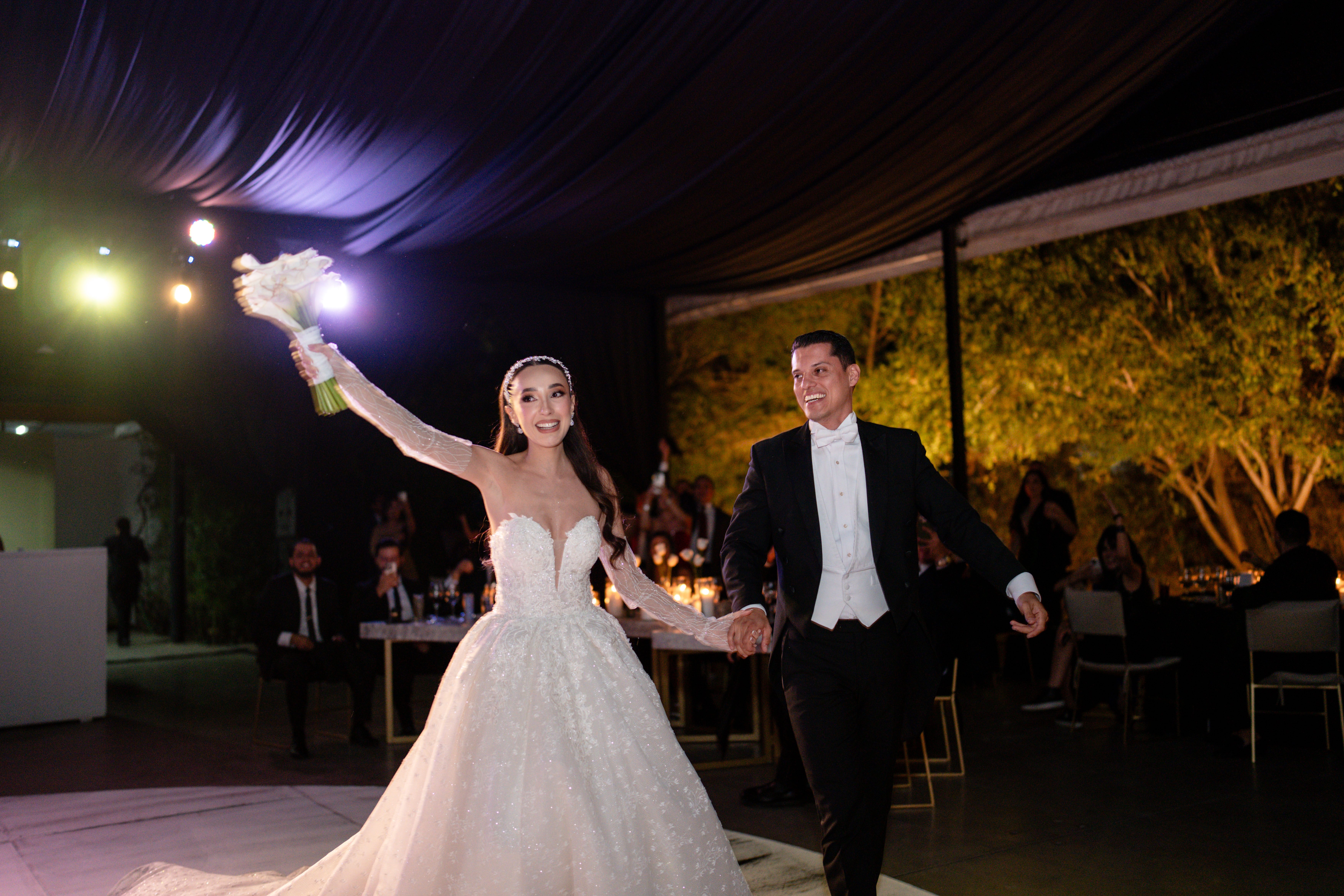
Most couples think of their wedding photographer as a high-skill service provider. Someone who shows up, does a job, delivers the product, and closes the transaction. That understanding is technically accurate and practically limiting. The photographers who create genuinely exceptional work operate from a completely different posture.
Vendor vs. advocate — what the difference actually looks like
A vendor relationship is transactional: you pay for a service, the service is delivered, the contract ends. There's nothing wrong with transactional relationships. Most of your wedding vendors should be transactional — your caterer, your florist, your transportation company. You want them to execute with excellence and you don't need a personal relationship with them.
Photography is different, because what you're buying isn't just a product — it's a process that happens in real time, in conditions that change constantly, with emotional stakes that are impossible to fully anticipate. A vendor executes the agreed terms. An advocate protects the outcome.
Arrives at the agreed time. Photographs what's in front of them. Delivers the contracted number of images. Closes the job on delivery.
Arrives early to check light. Positions themselves for the moment before it happens. Notices when the timeline is slipping and flags it. Stays invested in your specific memories, not just the delivery.
Neither photographer is doing anything wrong in this comparison. But only one of them is genuinely invested in what you walk away with.
Advocacy starts in the planning phase
The planning phase of a destination wedding is where most of the consequential decisions get made. Venue. Timeline. Vendor selection. Legal paperwork. Guest logistics. These decisions have direct downstream effects on the photos — and most couples don't realize this until after the fact.
An advocate photographer engages during planning, not just execution. This means:
- Reviewing your timeline before it's finalized — flagging when the ceremony is scheduled during the worst light window of the day, or when the portrait time is too short for the family group size you have
- Asking about your vision specifically — not just "what style do you want?" but "what's the one image you'll show your kids? Who's the family member whose reaction you can't miss? What's the scene you've pictured in your head for two years?"
- Providing honest input on venue choices — a venue that photographs beautifully in another photographer's portfolio might have a problematic west-facing ceremony space that creates backlit silhouettes in October. An advocate tells you this before you sign the contract.
- Being reachable — when the caterer sends a confusing Spanish-language contract amendment three months before the wedding and you can't figure out what it says, an advocate photographer who speaks the language can look at it and tell you it's fine (or not).
The test: Did your photographer ask what moment you're most afraid of missing? If they didn't, they're not operating as an advocate. That's not a trick question — it's the most important input for building a shot list that actually reflects your wedding.
What advocacy looks like on the wedding day
On the day itself, the advocate photographer is tracking the timeline constantly — not to stress about it, but because they know exactly how much light is left, how many family groups are still to be photographed, and whether the DJ is about to start the first dance 20 minutes early.
They notice things a vendor doesn't: the bride's dress has a tear that nobody else saw yet, and the makeup artist is standing four steps away. The groom is being pulled toward his college friends during the reception portraits window. The father of the bride has been standing alone by the bar for 10 minutes — and this is the only opportunity to photograph them dancing before the night ends.
An advocate doesn't photograph what's happening. They photograph what's about to happen — because they've been to enough weddings to know what comes next, and they're already in position.
The practical effect on the day: couples who work with an advocate photographer feel less managed and more supported. They don't feel like they're being positioned for shots. They feel like someone is taking care of them — noticing when they need a quiet moment, redirecting when the schedule slips, and genuinely excited about what the day is producing.
That emotional experience is not separate from the photos. It's in the photos. Couples who feel supported have open faces and relaxed shoulders. Couples who feel like they're executing a shot list look like it.
After the wedding: the relationship doesn't end
A vendor closes the job on delivery. An advocate stays connected — because the photos don't stop mattering when the gallery is delivered.
One of the things I've found in six years of photographing weddings: the images that matter most often aren't the ones that seem most important on the day. The formal portraits are beautiful. But what couples call me about three years later — what they show me when they run into me — is something quieter. The grandmother at the reception. The bride's father reading the vows card alone in the ceremony chairs after everyone else had gone inside. The moment between the couple at 7pm when nobody was watching.
An advocate photographer knows to find those moments. A vendor photographs the assignment.
After delivery, an advocate is someone you can reach out to with questions: "Can you help me understand the printing specifications for this image?" "We want to order a large-format print for the living room — which file from the gallery would you recommend?" "Can you give us the raw file for this one shot?" These questions have answers, and an advocate answers them without treating them as out-of-scope.
How to tell which kind you're hiring
You can't know for certain from a portfolio. A portfolio shows what someone can do, not how they operate. The advocate-vs-vendor distinction reveals itself in how a photographer conducts the booking conversation, not in what their photos look like.
Signs you're talking to an advocate:
- They ask about your specific wedding before quoting anything
- They ask what moment you're most afraid of missing
- They ask about your timeline and have opinions about whether it works photographically
- They share a concern or a recommendation unprompted — something about your venue, your timing, or your family dynamics that affects the photos
- They're willing to say "I might not be the right fit for what you're describing" — because they care more about the outcome than the booking
Signs you're talking to a vendor:
- They quote a price before understanding what they're quoting for
- The first question is about budget, not vision
- They describe their service entirely in logistics: hours, files, delivery timeline
- When you ask about your specific venue, they say "I haven't been there but I'm sure it'll be beautiful"
Neither is dishonest. But only one will be invested in your wedding the way you are.