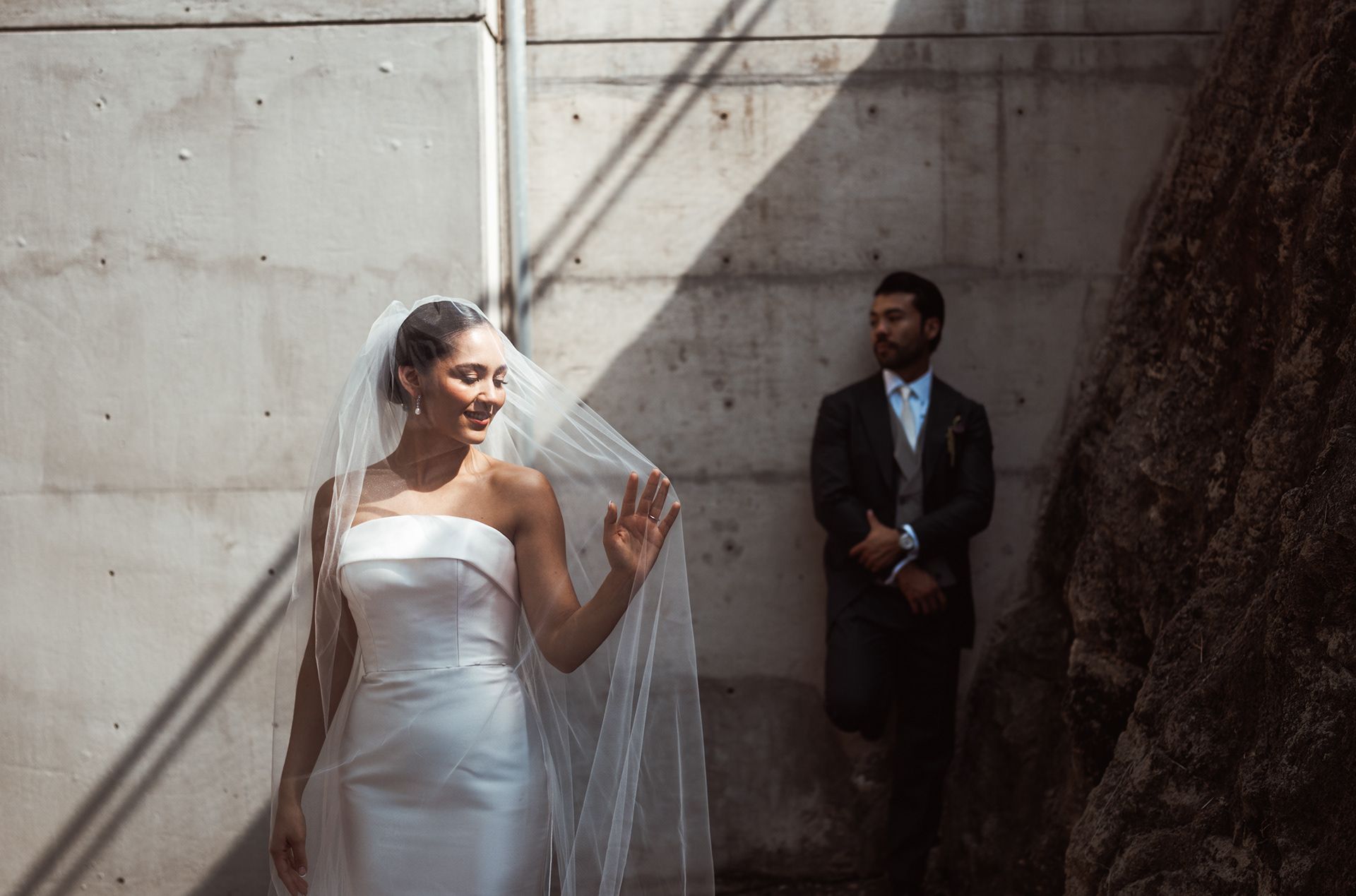
You're spending $30,000 on a wedding in Mexico. The caterer wants $8,000. The venue is $12,000. The photographer quote just arrived and it says $3,500. Your first instinct is to look for someone cheaper. Here's why that instinct will cost you far more than $3,500.
The math nobody runs
When couples budget for a destination wedding, they calculate the obvious costs: venue, food, flowers, music, transportation. What they rarely calculate is the cost per year of use.
Your wedding cake costs $1,200. You eat it once. Cost per year: $1,200.
Your wedding flowers cost $4,000. They last three days. Cost per year: $4,000.
Your wedding photographer costs $3,500. You look at the photos for the next 60 years — every anniversary, every time a friend gets engaged, every time your kids ask to see them, every time you want to feel that day again. Cost per year: $58.
This is not a cute argument. It's arithmetic. The one vendor at your wedding whose work survives the event by decades is the photographer. Everything else is consumed on the day or shortly after. The photos remain.
Everything else decays. Photos compound.
Flowers wilt in three days. Food is gone the same night. Music stops when the DJ packs up. The venue looks like a venue again by Monday morning. Your dress goes into a box. The cake stand goes back to the rental company.
But photos don't work that way. A well-made image from a professional photographer increases in emotional value every year. At year one, you look at them and relive the day. At year ten, you see who you were at that age. At year thirty, you show your kids what their parents looked like before they were born. At year fifty, those images are the only real record that day existed.
No other vendor at your wedding can make that claim. The florist can't. The caterer can't. The DJ certainly can't.
The question to ask: Which vendor's work will I still be interacting with in 2056? If the answer is only the photographer, that should tell you something about where the budget should go.
Good photos generate real referrals
Good wedding photos generate referrals, and that is a real financial return even though it never lands in your account. Images you are proud of get shared — with family, on Instagram, at work — and at least one person seeing them is engaged or about to be. That recommendation is worth money to the photographer, which is exactly why it buys you their best work.
When you get professional photos back — images that are beautiful, emotional, and technically excellent — you share them. You share them with family. You share them on Instagram. You show them at work. You send them to the seven friends who couldn't make it to Mexico.
At least one of those friends is currently engaged or will be soon.
When she asks where you got your photos done, you recommend your photographer. That recommendation is worth real money — not to you directly, but consider: your friend books the same photographer for her own destination wedding. She doesn't have to go through the exhausting process of vetting vendors in a country she doesn't know. She already trusts the result.
Couples who book professional destination wedding photographers generate an average of 1 to 3 referrals per wedding. Couples who choose the cheaper option tend to share fewer photos — because they're quietly disappointed — and generate fewer referrals as a result.
You don't capture that value directly in cash. But you measure it in the fact that your social circle, when they get married, calls you first. That's influence that starts with your photos.
The social proof you're leaving on the table
A destination wedding in Mexico is not a modest event. You invited people to fly internationally. Some of them traveled 8 hours. Some of them took vacation days. Some of them spent $2,000 on flights and hotels just to be in that room with you.
They deserve to be documented. And so do you.
When people who weren't there see your photos — the ones that end up on your fridge, on the wall of your house, in the frame on your parents' mantle — those photos tell a story. A professional story, or a mediocre one. That story is your permanent record of what happened that day.
Every time someone new walks into your home and sees those photos on the wall, they're forming an impression. Professional photos from a skilled photographer create a specific impression: that this couple invested in something real, that they took their wedding seriously, that this was a day worth remembering at the highest level.
Photos taken by a well-meaning friend with a mirrorless camera and not enough experience with low-light reception halls create a different impression. Nobody says anything. But everybody notices.
The real cost of bad photos
I've photographed weddings long enough to know what happens after couples get back disappointing images. The story is always the same pattern:
They open the gallery. The images are technically okay — in focus, properly exposed — but they're flat. The light is wrong. The moments are staged rather than captured. The emotional content is missing. The photos look like what happened at a wedding, not like what it felt like to be at a wedding.
They don't post them as much as they planned. They don't print them. The wedding album never gets made, because every time they open the folder, they feel vaguely let down. And over time, they stop looking at the photos altogether — which means the memories of the day start to fade, because there's no visual anchor pulling them back.
The money they saved by booking the cheaper photographer didn't save them anything. They paid $1,500 instead of $3,500, saved $2,000, and in exchange they got a record of their wedding that they don't want to look at. That $2,000 savings now looks like one of the worst trades they ever made.
Worth knowing: Professional retouching, color grading, and composition are invisible when done right — but painfully obvious when missing. By the time you get the photos back, you can't fix any of it.
What to actually spend — and what to cut first
I'm not telling you to spend unlimited money on photography. What I'm saying is that photography should be one of the last things you cut in a destination wedding budget, not the first.
Before reducing your photography budget, consider cutting:
- Extra floral arrangements — guests don't remember centerpieces; they remember how the day felt
- Upgraded menu courses — food is memorable for 20 minutes, photos for 60 years
- Photo booth or novelty entertainment — fun in the moment, forgotten by Tuesday
- Upgraded linens or specialty rentals — invisible in photos anyway
- Excessive lighting rigs — a good photographer finds the available light; a great one shapes it
None of this means your flowers don't matter or your food should be bad. It means you should think about the cost per year of every line item in your budget — and prioritize accordingly.
Your wedding photos are the only thing from your wedding that your children will see. That's worth a number that reflects what it is.