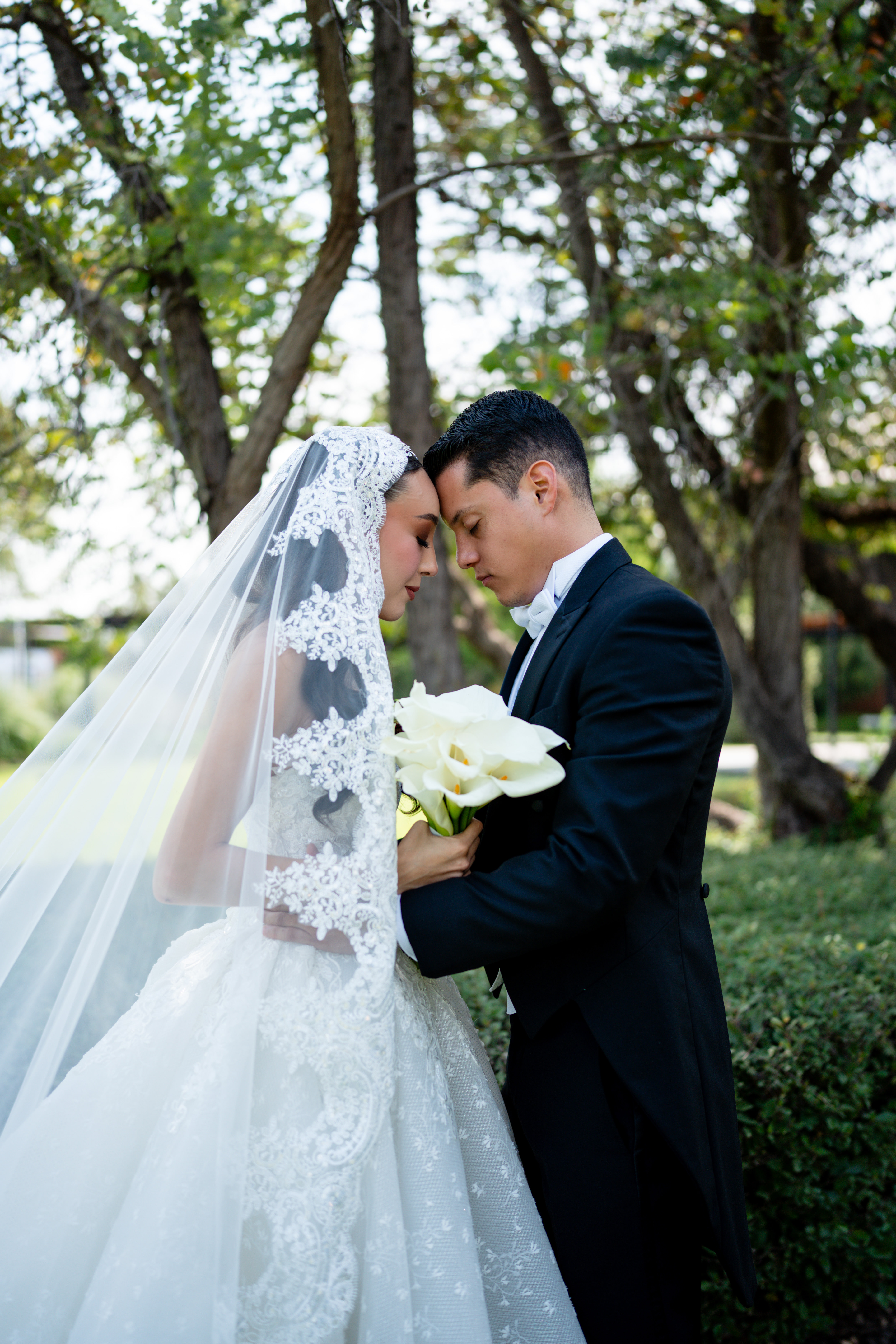
An unplugged ceremony asks guests to put their phones away while the couple marries. The version that works is specific, warm and said out loud: a sign at the entrance, one line in the program and a request from the officiant before the processional. Phones in the aisle ruin the photographer’s shot more often than any other single thing.
Why couples choose it
The reasons are practical rather than moral. Phones raised in the aisle block the photographer’s line of sight, glow in the background of a hundred photos and pull guests out of the moment. A guest holding a phone at the front of a row is also visible in every image of the couple walking toward the altar.
You are not banning memories. You are deciding that the ceremony will be documented by the team you hired, and that guests will get every image within a short time afterward.
Three levels of “unplugged”
There are three versions of an unplugged ceremony, and the right one depends on your guest list and your aisle. Fully unplugged asks for no phones at all, aisle-clear allows photos from a seat, and vows-only holds phones until the first kiss. Choose the level before you write any wording, so every message says the same thing.
| Level | What guests are asked | Best when |
|---|---|---|
| Fully unplugged | No phones or cameras during the ceremony. | Intimate ceremonies, narrow aisles, strong family attachment to the moment. |
| Aisle-clear | Photos allowed from your seat; stay out of the aisle. | Large guest lists, older relatives who want a picture. |
| Vows-only | Phones away until the first kiss, then photos allowed. | Couples who want the quiet part protected and the exit documented by everyone. |
Wording that works
Vague signs get ignored. The wording that works names the behavior and the duration, thanks guests, and gives a reason. Offered as a starting point you can edit:
- Short sign: “We want to see your smiles, not your screens. Please keep phones and cameras away during our ceremony. Photos will be shared with everyone afterward.”
- Program line: “Two photographers are covering our ceremony. We kindly ask you to refrain from photos and video until we are married, and we will send you the pictures.”
- Aisle-clear version: “Feel free to take a photo of our vows from your seat, but please stay out of the aisle so our photographer can capture the moment.”
Two details make the difference: say how long the request lasts, and promise the photos. A guest who knows the images are coming has much less reason to take their own.
What the officiant should say
A sign is read by about half of the guests. A sentence from the officiant is heard by all of them, so ask the officiant to add it to the opening remarks. A short version: “Before we begin, our couple has asked everyone to silence and put away their phones so we can all be present. Photographers are here, and you will receive the photos.” Couples reported that this single announcement worked better than any sign.
Tell your photographer your choice. It changes where they stand and what they plan for. If guests will photograph from their seats, the team will use a longer lens from the side instead of shooting down the center aisle.
A bilingual sign for a wedding in Mexico
At a destination wedding, half of the guests may read English and the other half Spanish. Put both on the same sign:
“Be present with us. Please put your phones away during the ceremony. Our photographers will share every moment. — Acompáñanos con el corazón. Guarda tu celular durante la ceremonia; nuestros fotógrafos compartirán cada momento.”
The same applies to the officiant’s announcement. A bilingual team and coordinator help here, as covered in why a bilingual photographer matters.
What actually works on the day
Five things keep phones down on the day itself: an announcement from the officiant, two people in the wedding party who gently remind guests, a controlled aisle, planned photographer positions and a fast photo release. A sign alone rarely does the job, because only part of the room reads it.
- Announce it through the officiant, not just a sign.
- Brief two people in the wedding party to gently remind anyone with a phone out.
- Control the aisle with a ribbon or by seating guests only from the sides.
- Plan the photographer’s positions for the entrance, the vows, the first kiss and the recessional.
- Release photos quickly. A preview within a day makes the request feel fair; the timeline is covered in when you get your wedding photos back.
Some guests will take a photo anyway. Treat that as normal, not as a failure; your goal is a clear aisle, not a perfect record of compliance.