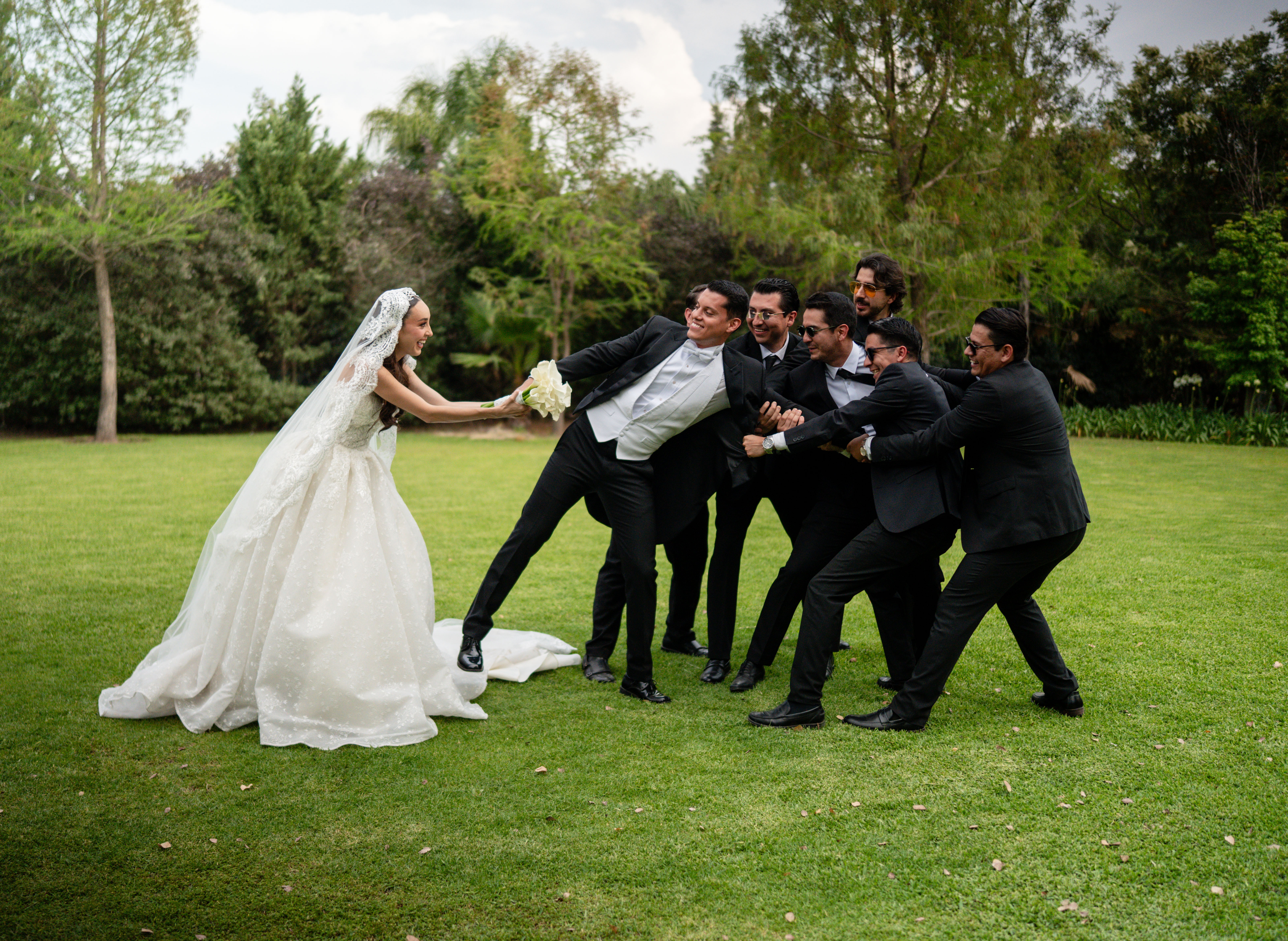
A Mexico destination wedding usually runs three days: a welcome event the evening guests arrive, the wedding day itself, and a farewell brunch. Guests typically arrive two days before and leave the day after. Keep one event per day, leave the morning after the wedding open, and put travel times — not only start times — on the schedule you send.
The shape of a wedding weekend
Three days is the standard because it matches how guests travel: arrival day, wedding day, departure day, with one anchor event per day. Stretching to four or five days can work when most guests are staying a week anyway, but each extra hosted event adds cost for you and obligation for them.
The principle that keeps a weekend enjoyable is restraint: one hosted event per day, everything else optional and clearly labeled as optional on the invitation and the wedding website.
Day by day, with coverage notes
| Day | Event | Who needs to be there | Photo and video note |
|---|---|---|---|
| Day 1 — arrival | Welcome dinner or cocktail, 7–9 pm | Everyone who has landed | A short block: greetings, family, the room. |
| Day 2 — wedding | Getting ready, ceremony, dinner, party | Everyone | Main coverage, 8–12 hours. |
| Day 3 — farewell | Late brunch, 11 am–2 pm | Whoever is still in town | Optional; often skipped, and that is fine. |
| Optional | Excursion, tasting, beach day | Anyone who wants to | Occasionally covered, usually not. |
Day one works best as a relaxed evening: guests have travelled, some flights landed late, and an early or formal event punishes anyone delayed. Day two is the only day that should be fully scheduled — that hour-by-hour structure is in the destination wedding photography timeline. Day three should be loose: a window rather than a seating chart, so people can come by before a flight.
Who pays for what
The customary split for destination weddings is that guests pay for their travel and lodging, and the couple hosts the events they invite people to. That means the welcome dinner and the wedding are yours; optional excursions are typically each guest's own cost, and saying so plainly on the wedding website prevents awkwardness later.
- You host: welcome event, wedding, farewell brunch if you offer one.
- Guests cover: flights, rooms, optional activities, most meals outside hosted events.
- Worth hosting anyway: group transport to and from the venue, which solves a safety problem as well as a logistics one.
Put it in writing early. Guests decide whether to attend based on total cost, and that decision happens months out. Clarity raises attendance; ambiguity lowers it. Expected attendance rates are covered in how many guests actually attend a destination wedding.
Which events are worth documenting
Most couples book main coverage for the wedding day and add a short block for the welcome event. The welcome night is often where the most spontaneous family photos of the entire weekend happen, because everyone has just arrived and nobody is in position yet. The farewell brunch rarely needs coverage: the images repeat what you already have, with less light and more luggage.
If you want images circulating while guests are still in the country, ask about preview turnaround as well as total hours — the reasoning is in when you get your wedding photos back.
The five mistakes that exhaust guests
- Scheduling something every morning. Guests are on vacation; they need unscheduled hours.
- A late welcome party the night before the wedding. It borrows energy from the main day.
- An excursion the morning of the wedding. Sunburn, delays and stress, all avoidable.
- Ignoring travel time between venues. Put transfers on the schedule, not only start times.
- No weather alternative for outdoor events. Every outdoor plan needs a written plan B, as in the rain backup plan.